Concrete Pump Hire in Watford
Effortless, mess-free concrete pumping for restricted access, rear domestic extensions, and elevated commercial structures across Watford and South Hertfordshire.
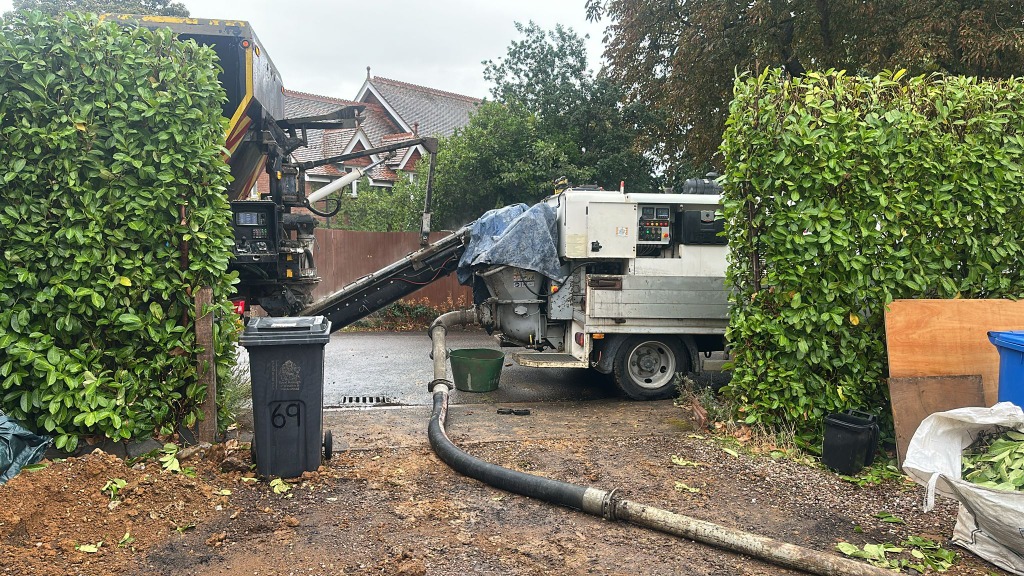
Overcome Access Obstacles with Professional Pumping
When site layouts make direct mixer discharge impossible—such as terraced homes with no side access, steep garden gradients, or long-distance pours—our line and boom pump hire delivers wet concrete straight into your footings or slab in minutes.
Ground Line vs. Boom Pumps Specification
| Feature | Ground Line Pump | Hydraulic Boom Pump |
|---|---|---|
| Horizontal Reach | Up to 150m+ flexible ground pipes | 20m to 47m articulated overhead reach |
| Pipeline Diameter | 75mm – 100mm heavy-duty flexible hoses | 125mm high-pressure rigid steel boom pipe |
| Ideal Applications | Rear extensions, basements, through hallways, terraced properties | Multi-storey buildings, commercial slabs, pouring over high fences/walls |
| Site Setup Space | Compact footprint (single parking space) | Requires space for stabilizing hydraulic outriggers |
| Discharge Speed | 20 – 45 m³/hour controlled precision pour | 60 – 120 m³/hour rapid bulk placement |
| Certified Operator | Included (CPCS / CSCS certified technician) | Included (CPCS / CSCS boom operator) |
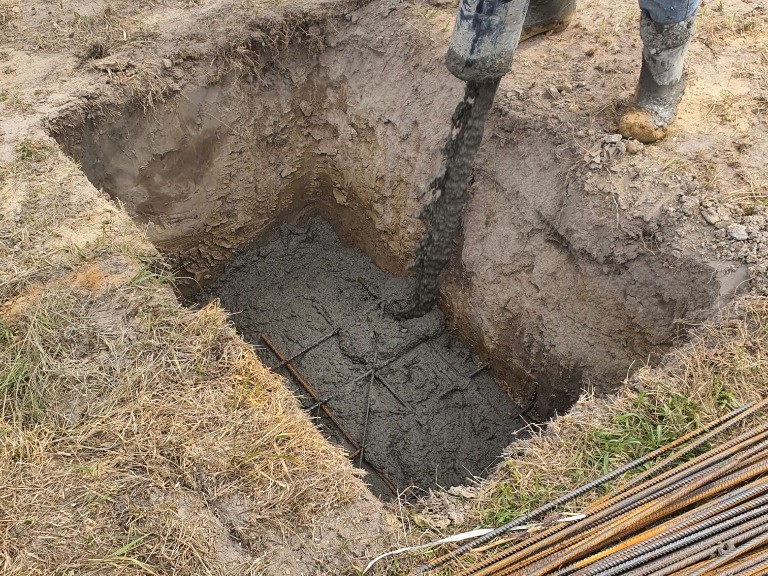
Key Benefits of Pumping Over Wheelbarrows
- Rapid Placement: Discharges 1 m³ in under 2 minutes, avoiding slump loss and premature initial setting.
- Substantial Labour Savings: Eliminates the need for 4–6 laborers wheelbarrowing heavy wet concrete across difficult ground.
- Zero Spillage or Property Damage: Concrete travels inside hermetically sealed hoses, protecting lawns, paving, interior floors, and door frames.
- Navigates Complex Layouts: Hoses can easily bend around corners, travel through doorways, and descend into basements or trenches.
Pumping Site Preparation Guide
Essential Setup Requirements
1. Priming Lubricant Slurry: To lubricate pipe walls before pumping, our operator mixes a cement-water slurry. Please provide a safe wheelbarrow or bucket to catch this initial discharge.
2. Clear Pipeline Pathway: Ensure a clear 1-metre route for laying pipeline sections safely without trip hazards.
3. Washout & Sponge Cleanout Area: After pouring, a sponge ball is blown through the line to clear remaining concrete. A designated plastic-lined washout box or skip must be provided on site.